Control and power faults
Remotes, the wall control, the receiver, the logic board and the wiring all get checked in order. A fault that only shows up when the garage is hot gets noted, because that pattern points somewhere specific.
An opener that hums, reverses or ignores the remote is not always a dead motor. Scottsdale Garage Door Repairs checks the controls, the safety sensors and the door itself before anyone talks about a replacement unit.
An opener in a Scottsdale garage lives in brutal conditions. Ceiling air in a closed garage during a summer afternoon runs far hotter than the driveway, and that heat is hard on circuit boards, capacitors and the plastic gears inside the motor head. Remote batteries also give up sooner than the packaging suggests.
Monsoon dust is the other regular culprit. After a dust storm, the photo-eye lenses near the floor pick up a film of grit, and a sensor that cannot see its partner will stop the door closing and blink at you instead.
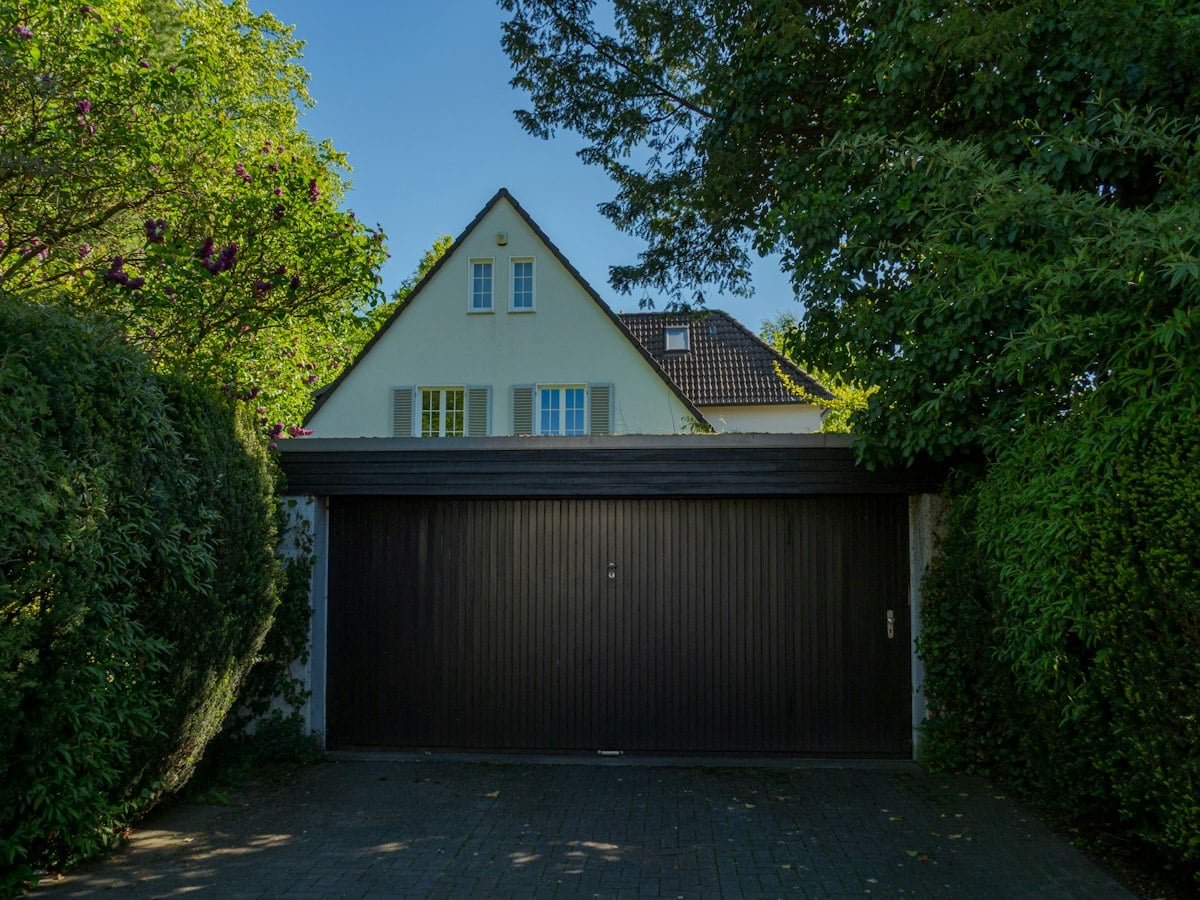
The point of the visit is to separate an opener problem from a door problem, because an opener straining against an unbalanced door will keep failing no matter how many parts go into it.
Remotes, the wall control, the receiver, the logic board and the wiring all get checked in order. A fault that only shows up when the garage is hot gets noted, because that pattern points somewhere specific.
The photo eyes are cleaned, re-aimed and tested, and the travel and force settings are checked against how the door actually moves. A door that reverses on the floor is often a settings issue rather than a failed unit.
The technician disconnects the trolley and moves the door by hand to feel its balance. If the springs are doing less than their share, that gets fixed first; an opener is not meant to be the lifting system.
Many opener faults come down to a gear kit, a capacitor, a logic board, a sensor pair or a fresh set of remotes. Those are repairs, and the quote should say which part is being replaced and why.
Replacement makes more sense when the unit is old enough that parts are scarce, when the same component has already failed once, or when you want something the current opener cannot do. Quieter belt drives, battery backup for monsoon-season power cuts and phone control are all reasonable reasons to change, and they should be presented as choices rather than repairs.
If the door has been fighting the opener, start with the springs or the cables and rollers. The repair versus replacement guide covers the wider decision, and the opener troubleshooting guide helps you describe the fault accurately before requesting a visit.
Nine times out of ten it is the safety sensors: knocked out of line, coated in dust, or with something small sitting in the beam. The close-force setting and a binding door can do it too, which is why Scottsdale Garage Door Repairs checks the whole travel.
Often, yes. Gears, capacitors, boards, sensors and remotes are all replaceable parts. The honest exception is a unit old enough that the parts are no longer made, and you will be told plainly if that is the case.
It shortens the life of electronics and plastic gears, and it flattens remote batteries faster. It does not mean an opener is disposable, but it does explain why a unit in a hot Scottsdale garage can fail earlier than the same model elsewhere.
Stop using it. An opener dragging an unbalanced door will damage itself and can drop the door. Ask for a spring inspection before any more opener parts are fitted.
Tell us what the door is doing now so the right visit can be planned.