How to Install a Garage Door Opener in Scottsdale
To install a garage door opener in Scottsdale, start with a door that is balanced and moves freely by hand, then mount the header bracket, rail and motor, wire the safety sensors and wall button, and test the auto-reverse. If the springs, cables or door balance look wrong, stop and call to be connected with a local provider.
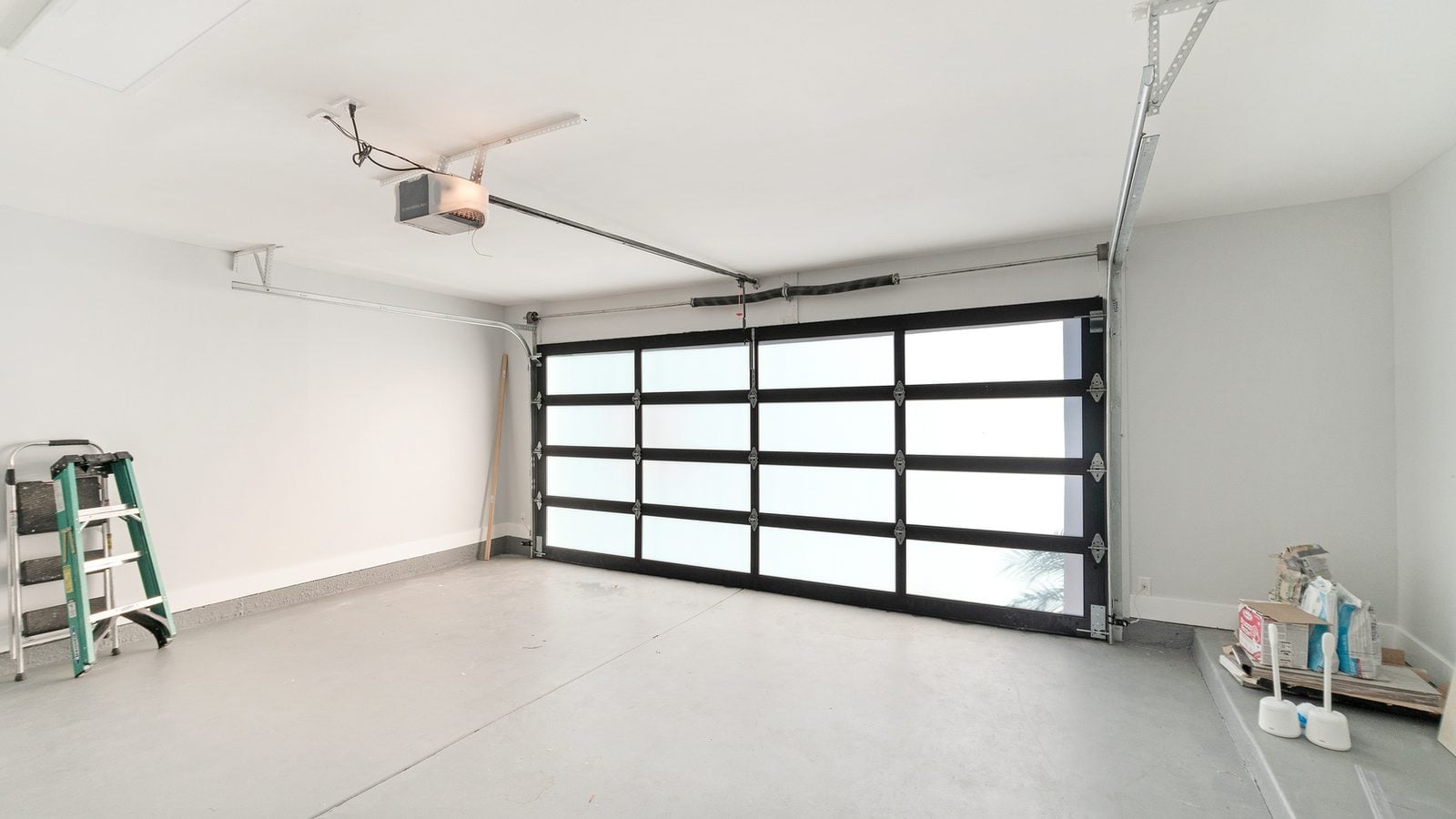
- An opener only lifts a door that is already balanced by its springs. A heavy or crooked door has to be fixed first.
- Never loosen, adjust or remove garage door springs, cables or bottom brackets yourself. They hold dangerous stored tension.
- Your opener's own installation manual comes first. Rail assembly, sensor height and limit settings differ by brand and model.
- Every install ends with two tests: the photo-eye sensor test and the auto-reverse test with a board under the door.
- If anything in the checklist fails, call to be connected with a local provider who can inspect the door and give you a written quote.
How do you install a garage door opener in Scottsdale?
Learning how to install a garage door opener in Scottsdale comes down to three stages: confirm the door is safe and balanced, mount the opener hardware following the manufacturer's manual, then set and test the safety features. Most of the risk sits in the first and last stages.
A typical kit includes the motor unit, a rail, a header bracket, a door bracket, a chain, belt or screw drive, two safety sensors, a wall button and remotes. The work is mostly measuring, drilling into solid framing and lifting the motor into place.
Is it safe to install a garage door opener yourself?
Installing a garage door opener yourself can be reasonable if the door is already balanced, the springs and cables are in good shape, there is a nearby outlet, and you are comfortable on a ladder. It is not safe if the springs, cables or door balance need any adjustment.
The springs, not the opener, carry most of the door's weight, and they store a lot of tension. Loosening a set screw or removing a bottom bracket can release that tension suddenly and cause serious injury. Have a second adult steady the ladder and help lift the motor.
What should you check before you install the opener?
Before you install the opener, check that the door is balanced, the springs and cables look intact, the tracks are straight, and there is solid framing and a grounded outlet near the motor location. This checklist catches the problems that make an opener strain or reverse.
- Balance test: with the door disconnected from any opener, lift it by hand to waist height and let go. A balanced door stays roughly in place.
- Smooth travel: the door should move by hand without sticking or scraping.
- Springs and cables: look for a gap in a torsion spring or frayed cables. Look only, never adjust.
- Tracks and rollers: bent tracks or cracked rollers get fixed first.
- Headroom and framing: measure above the door's highest point and find solid joists. Drywall will not hold a motor.
- Power: a grounded outlet near the motor, not a long extension cord.
- Door type: one-piece and heavy custom doors may need special brackets. Check the manual.
Need help now? Call to be connected with a local provider in Scottsdale who can check availability for your address.
What tools and parts do you need to install a garage door opener?
Most garage door opener installs need a sturdy ladder, tape measure, level, drill and bits, socket set, wrenches, stud finder and safety glasses, plus the kit's rail, drive, brackets, sensors and wall button. Many also need extra angle iron and long lag screws to hang the motor.
Pick the opener to fit the home. Belt drives are quieter than chain drives, which matters under a bedroom. Wall-mount openers save ceiling space but need specific door hardware. Match the opener's rating to your door's size and weight.
What are the basic steps to install a garage door opener?
The basic steps to install a garage door opener are: assemble the rail, attach the header bracket, connect the rail and hang the motor, attach the door arm, mount the sensors and wall button, then power up and program. Always follow your model's manual for exact measurements.
- Clear the old unit. Unplug any old opener, pull the emergency release and remove it with a helper supporting the motor.
- Assemble the rail. Join the rail sections on the floor and attach the trolley and drive as shown.
- Mount the header bracket. Mark the door's center on the wall above and fasten the bracket into solid framing at the height the manual gives.
- Hang the motor. Pin the rail to the header bracket, raise the motor end, and hang it from ceiling framing with angle iron or strap, keeping the rail level and centered.
- Attach the door arm. Fasten the door bracket to the top section, adding a reinforcing strut on lighter doors if the manual calls for it, and connect the arm to the trolley.
- Install the sensors. Mount one on each side of the door near the floor, facing each other, and run the wires neatly to the motor.
- Mount the wall button within sight of the door and out of children's reach.
- Power up and program. Plug into a grounded outlet, set travel limits and force, and pair your remotes.
If any step involves a spring, cable or bottom bracket, stop. That is not part of an opener install.
How do you test the safety sensors and auto-reverse?
Test the sensors by closing the door and passing an object through the beam; the door should stop and reverse. Test auto-reverse by laying a flat board under the center of the door and closing it; the door should reverse on contact. If either test fails, do not use the opener until it is fixed.
Steady sensor lights mean the sensors are aligned. Blinking or dark lights usually mean misalignment, loose wires or a dirty lens. If the door crushes the board, adjust force and the close limit per the manual and test again. Repeat both tests monthly.
When should you call a pro instead of installing the opener yourself?
Call a pro instead of installing the garage door opener yourself if the door fails the balance test, a spring or cable looks damaged, the tracks are bent, there is no outlet or solid framing, or the safety tests keep failing. These are signs the problem is the door, not the opener.
- The door slams down, flies up or is very hard to lift.
- The door rubs, binds or leaves the track.
- Low headroom rules out a standard rail.
- The new opener strains, stops partway or reverses for no reason.
In any of these cases, call to be connected with a local provider who can look at the whole door system.
What happens during the visit?
During the visit, the provider inspects the door and any existing opener, explains your options in plain terms, and gives you a written quote before any work begins. You decide whether to go ahead.
The inspection usually covers balance, springs, cables, tracks, rollers, headroom, framing and outlet location. They can tell you whether an opener you already bought suits your door, whether a spring or track issue should be fixed first, or whether a different drive type fits better.
Installing a garage door opener in Scottsdale heat, dust and monsoon storms
Scottsdale's climate affects both how you install a garage door opener and which features make sense. Phoenix Sky Harbor, the official Valley weather station, averages 111 days a year at 100 degrees or hotter and 21 days at 110 or hotter (1991-2020 normals), and Phoenix had 113 days in a row of 100 degrees or more from May 27 to September 16, 2024. A closed garage gets very hot near the ceiling, right where you work on a ladder, so plan the install for cooler months or early morning.
The National Weather Service defines the Southwest monsoon as June 15 through September 30, and says a Dust Storm Warning means visibility of 1/4 mile or less, with wind gusts of 40 to 60 mph also likely. Dust can coat sensor lenses and stop the door from closing, so wipe them after storms. Storms can also cut power, which is why many owners in McCormick Ranch, Grayhawk and Fountain Hills choose battery backup and learn the emergency release.
Tall or heavy custom doors in Cave Creek and Paradise Valley often need a higher-rated opener and careful spring balance first. If you are unsure, call to be connected with a local provider.
Related pages
Questions people ask
What is the safe way to learn how to install a garage door opener in Scottsdale?
Confirm the door is balanced, mount the header bracket, rail and motor, add the sensors and wall button, then test auto-reverse. Follow your opener's manual, and stop if the springs or cables need work.
Can a regular homeowner install a garage door opener without experience?
Many people can, if the door is already balanced and they follow the manual carefully. Expect ladder work and a heavy motor, so have a helper.
Do I need to touch the garage door springs to install a new opener?
No. A normal opener install should never require loosening, adjusting or removing the springs, cables or bottom brackets. If it seems like it does, stop and call a pro.
How do I know if my garage door is balanced enough for an opener?
Disconnect the opener, lift the door to waist height and let go. If it stays put, it is balanced; if it drops or rises, the springs need attention first.
How high should the garage door safety sensors be mounted?
Mount the sensors near the floor at the height your opener's manual gives, one on each side of the door, facing each other. The lights should stay steady when they are aligned.
Why won't my new garage door opener close the door all the way?
Usually the sensors are misaligned, blocked or miswired, or the close limit is not set. Check the sensor lights, clean the lenses and adjust the limit per the manual.
How do I test the auto-reverse on a new garage door opener?
Lay a flat board on the floor under the center of the door and close it. The door should reverse when it touches the board; if it does not, adjust the force and limits and test again.
Can I install a garage door opener without an outlet on the ceiling?
Not safely with a long extension cord. Most openers need a grounded outlet near the motor, and adding one is electrical work to hand off.
Can I put a new opener on my old garage door?
Often yes, if the door is balanced and moves smoothly with sound springs and cables. A heavy or binding door should be fixed first.
What kind of garage door opener is quietest for a garage under a bedroom?
Belt drive openers are generally quieter than chain drives. Wall-mount openers are another option, since they sit beside the door instead of on the ceiling.
Do I need battery backup on a garage door opener in Scottsdale?
It is not required, but many Scottsdale owners like it because monsoon storms can cut power. Battery backup lets the door run during a short outage.
Does the Arizona heat affect installing a garage door opener?
Yes, mainly because a closed garage gets very hot near the ceiling. Plan the install for cooler months or early morning and keep water nearby.
Can dust storms affect a new garage door opener's sensors?
Yes. Dust on the lenses can stop the door from closing, so wipe them after storms and confirm both lights are steady.
How do I program my remotes and car after installing the opener?
Most openers have a learn button on the motor: press it, then press the remote or car button within the window the manual gives. Steps differ by brand.
When should I call someone instead of installing the opener myself?
Call if the door fails the balance test, a spring or cable looks damaged, the tracks are bent or the safety tests keep failing. Those point to a door problem.
Who can I call for help installing a garage door opener in Paradise Valley or Fountain Hills?
Call the number on this page to be connected with a local provider serving Paradise Valley, Fountain Hills and the Scottsdale area. They can inspect your door and give you a written quote.
Talk to someone about your garage door problem
Call to be connected with a local provider who can check availability for your address and explain the next step.